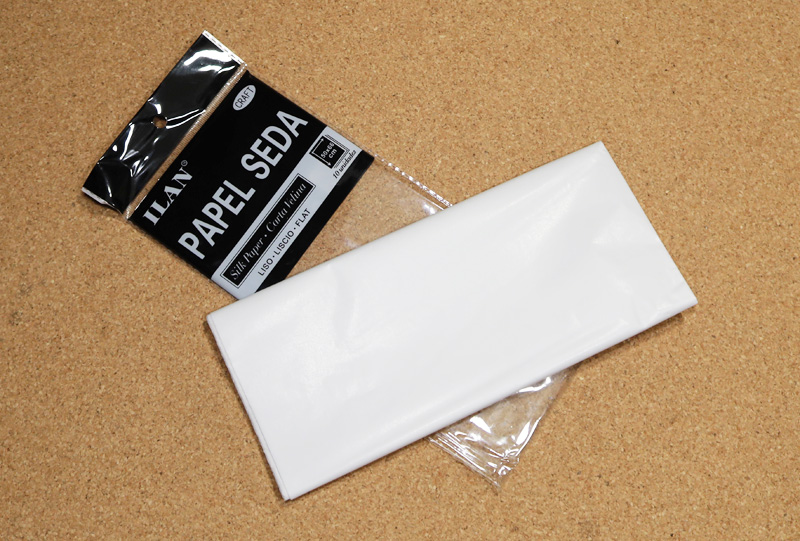
Silk paper 14g/m²
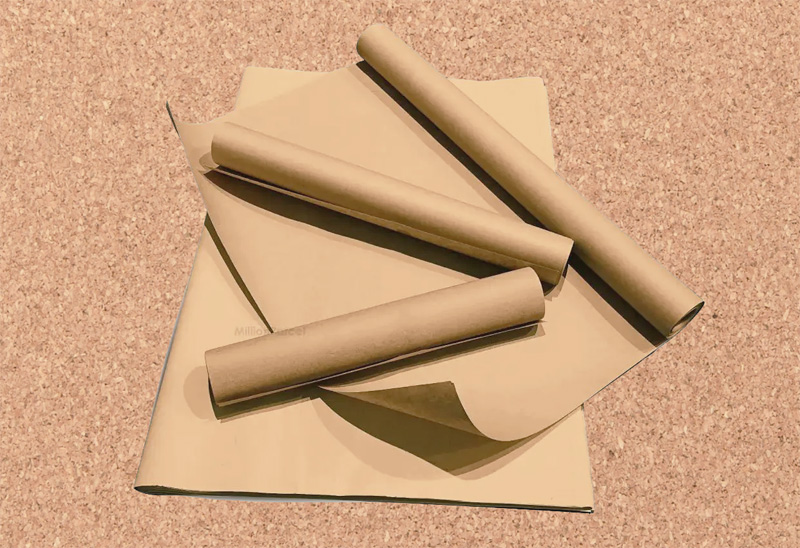
Brown kraft paper 42g/m²
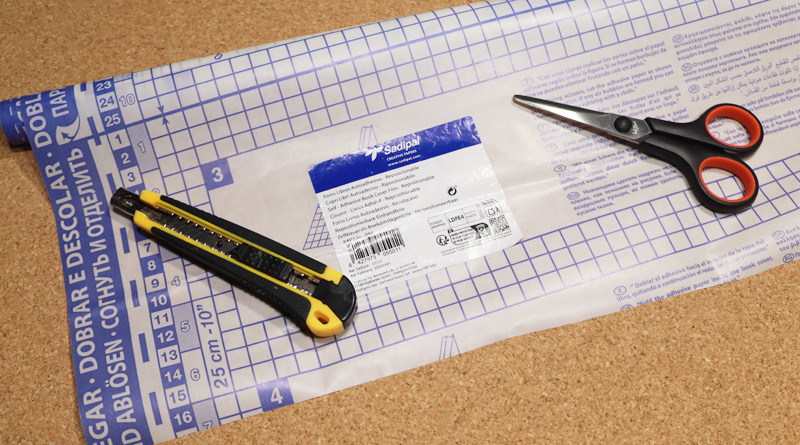
Adhesive film 53g/m²
|
How It's Made?
|
If you have good drawings and would like to receive a
model in AeroSkeleton format, please write to us.
Title
Expanded polystyrene (styrofoam-sandwich) for the traditional, classic "balsa"
construction of various models.
Abstract
Styrofoam-sandwich, as a substitute for classic "balsa" construction.
Analysis of the weight of the parts and the model as a whole.
Materials & Methods
The use of a styrofoam-sandwich provides a number of advantages. Pasting a part
on one or two sides gives two different weightings.
The choice of material for pasting (silk paper, dacron, scotch-tape, kraft,
glass, carbon) multiplies the number of points of use,
which gives dozens of possible variations in the strength-to-weight ratio.
Having one kit, you can use it to build a super lightweight version of the
model - for example, for PSS planning.
Gluing a part on one or two sides with paper or film allows you to get a model
suitable for pushing screws or impellers.
Gluing a part on one or two sides with glass or carbon makes it possible to
assemble a JET model.
At the same time, you choose the material yourself.
You control the final weight of the model yourself as you build it.
Let's compare the weight of balsa and styrofoam:
Balsa, the average value for dry wood is usually in the range of 120-160
kg/m³
Styrofoam 28-32 kg/m³
We have checked the following materials:
|
Silk paper 14g/m² |
Brown kraft paper 42g/m² |
Adhesive film 53g/m² |
Let's take two parts from the AeroSkeleton Model AERO
L-39-3000 as an example
Styrofoam only, 5mm thick
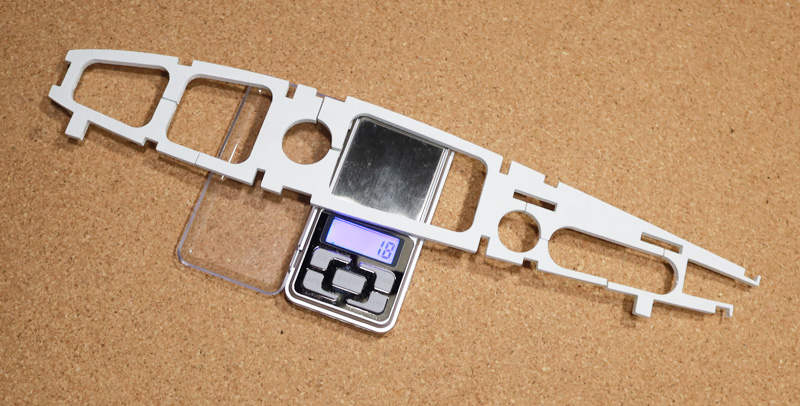
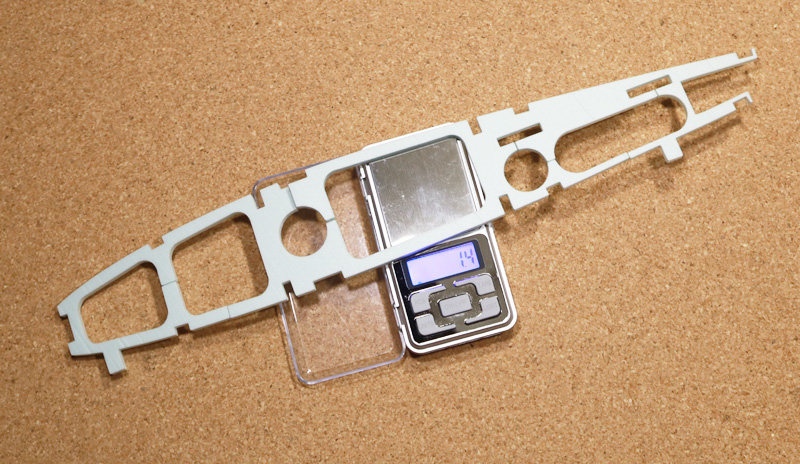 Wing Rib 1,4g (Less material, more lightweight construction) |
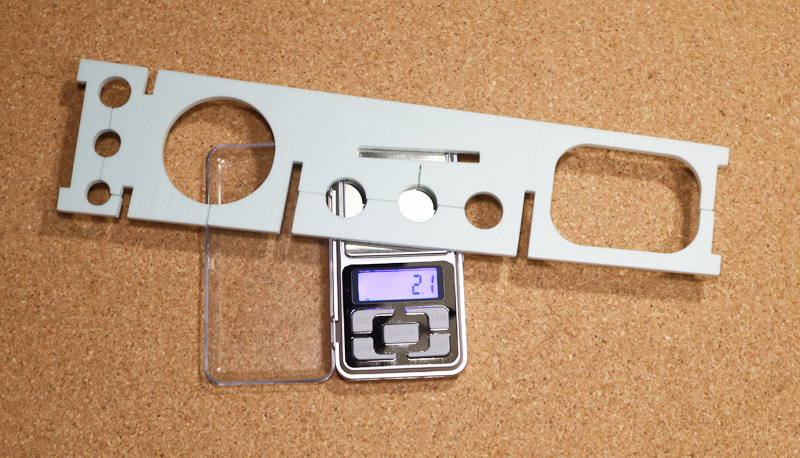 Frame 2,1g (More material, less lightweight construction) |
Pasting with silk paper on
one side - 1,6g (Weight increased by 14,3%)
both sides - 1,8g (Weight increased by 28,5%)
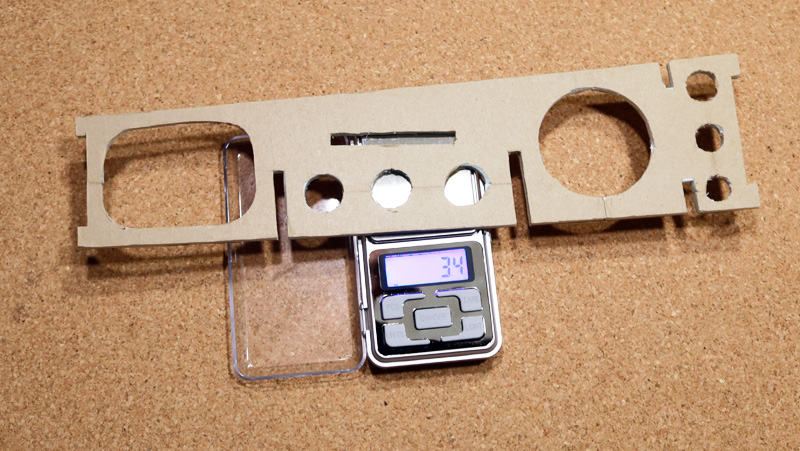
Pasting with brown craft paper on
one side - 2,75g (Weight increased by 30,9%)
both sides - 3,4g (Weight increased by 61,9%)
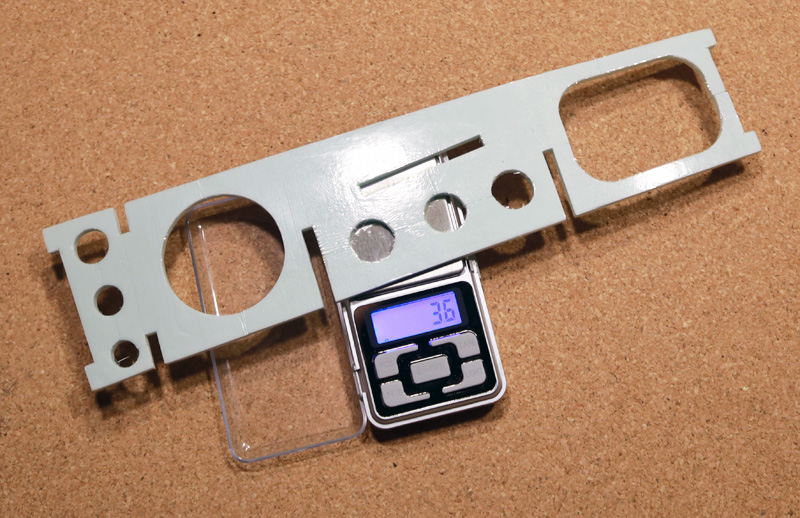
Pasting with adhesive film on
one side - 2,85g (Weight increased by 35,7%)
both sides - 3,6g (Weight increased by 71,4%)
These figures provide a guideline for calculating the weight of a model when
coated with different materials.
Let's use this information to calculate the weight of possible implementations
of the L39-3000
AeroSkeleton Model AERO L-39-3000
length - 3006mm
wingspan - 2338mm
Styrofoam + dried white glue
Weight of one wing - 53g
Weight of one stabilizer - 11g
Weight of fuselage - 233g
Total weight of the glued model - 361g
Approximate ~ weight Model AERO L-39-3000 with double-sided
- silk paper: 361g + 28,5% = 463,8g (lightweight parts, ex. Wing Rib)
- brown craft paper: 361g + 61,9% = 584,4g (reinforced parts, ex. Frame)
- adhesive film: 361g + 71,4% = 618,7g (reinforced parts, ex. Frame)
Let's make another calculation based on the surface area of the two parts of
this set.
We will get a theoretical calculation, knowing the weight of a square meter of
material for pasting.
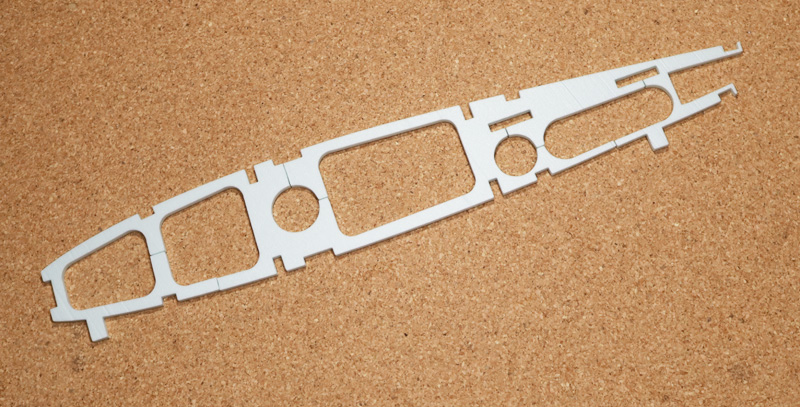 Wing Rib 1,4g (Less material, more lightweight construction) Surface area 9586mm² (0,009586m²) Volume 47930mm³ (0,00004793m³) |
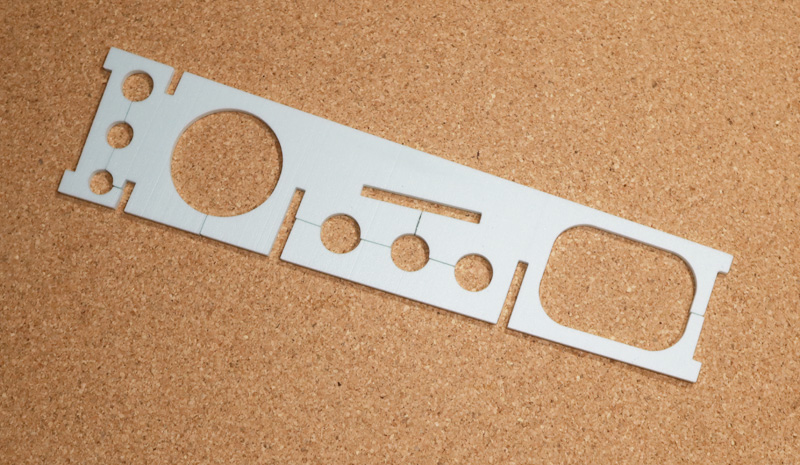 Frame 2,1g (More material, less lightweight construction) Surface area 14265mm² (0,014265m²) Volume 71325mm³ (0,00007132m³) |
These values are given by the manufacturer of the material:
Silk paper 14g/m²
Brown kraft paper 42g/m²
Adhesive film 53g/m²
Wing Rib (without weight of the glue) pasting on both sides with:
- silk paper - 1,4g + 0,009586m² x 14g/m² x 2 = 1,6684g
- brown craft paper - 1,4g + 0,009586m² x 42g/m² x 2 = 2,2052g
- adhesive film - 1,4g + 0,009586m² x 53g/m² x 2 = 2,4161g
Frame (without weight of the glue) pasting on both sides with:
- silk paper- 2,1g + 0,014265m² x 14g/m² x 2 = 2,4994g
- brown craft paper - 2,1g + 0,014265m² x 42g/m² x 2 = 3,2982g
- adhesive film - 2,1g + 0,014265m² x 53g/m² x 2 = 3.612g
As we can see, both calculations show comparable data.
Thus, two different approaches to weight calculations provide clear data on the
planned weight.
The comparison will not be complete if I do not provide data on similar parts
from balsa.
The average value for dry wood is usually in the range of 120-160 kg/m³
Balsa only, 5mm thick:
Wing Rib - 0,00004793m³ x 120kg/m³ = 0,00575kg = 5.75g
Frame - 0,00007132m³ x 120kg/m³ = 0,008558kg = 8,55g
The calculation includes the lightest balsa from the model woods.
To complete the picture, I'm looking forward to your information on fiberglass
and carbon fiber.
In these calculations, I provide dry figures, conclusions, and the choice is
yours.
Assembly instructions
AeroSkeleton Model L39-3000
Wingspan - 2338mm
Length - 3006mm
Wing area - dm²
Reference area (S): - 111.75dm²
Reference length (lm): - 524.0mm
CG (16%): - 1510.7mm
CG (8%): - 1552.6mm
AC: - 1594.5mm
Number of components - 290pc
CNC cutting length - 846720mm
Fuselage/wings connecting beams total m:
16x5mm - 7m
8x5mm - 40m
Surface covering total - 7.44m²
Surface covering sheets - 31pc, 600x400x2.5mm
Weight surface covering of one sheet - 9gr
Weight without surface covering of one glued
wing - 53gr
stabilizer - 11gr
fuselage - 233gr
Total weight of the glued model, without surface covering - 361gr
One parcel 630x410x250mm
Weight parcel 2000gr
Please read the instructions
for working with the AeroTetris kits.
This is expanded polystyrene foam, which is used for the production of
AeroTetris and AeroSkeleton kits.
It assumes that you have learned enough threads on niche sites dedicated
assembly this and other models.
You understand and acknowledge the difficulties that arise when building the
model.
You assume all the consequences if not correctly assembled and then using this
model.
Refund from the manufacturer is not provided.
Each set is carefully checked before shipping and packaged for
transport/shipment.
For proper assembly, you'll need the appropriate adhesive for your project.
This could include white glue for wood and paper; varnish; epoxy resin, etc.
The assembly of the model should begin with the preparation of the workplace and
the necessary tools.
Make sure you have enough free time.
Styrofoam is a fairly soft material, and excessive
the force can damage it, deform it.
When gluing, check the geometry and alignment of the model.
When assembling, also use a guide rail, similar to when assembling balsa models.
Use a building berth/slipway.
GOOD LUCK IN BUILDING!
Copyright © 2025-2026 AeroTetris.com AeroSkeleton.com